
Case study Medical Cobalt-chrome

Dental cobalt-chrome prosthesis, polished in a single step

A complex CoCr dental prosthesis brought to a smooth, biocompatible finish with Plasma Electrolytic Polishing, including 3D printed shapes.

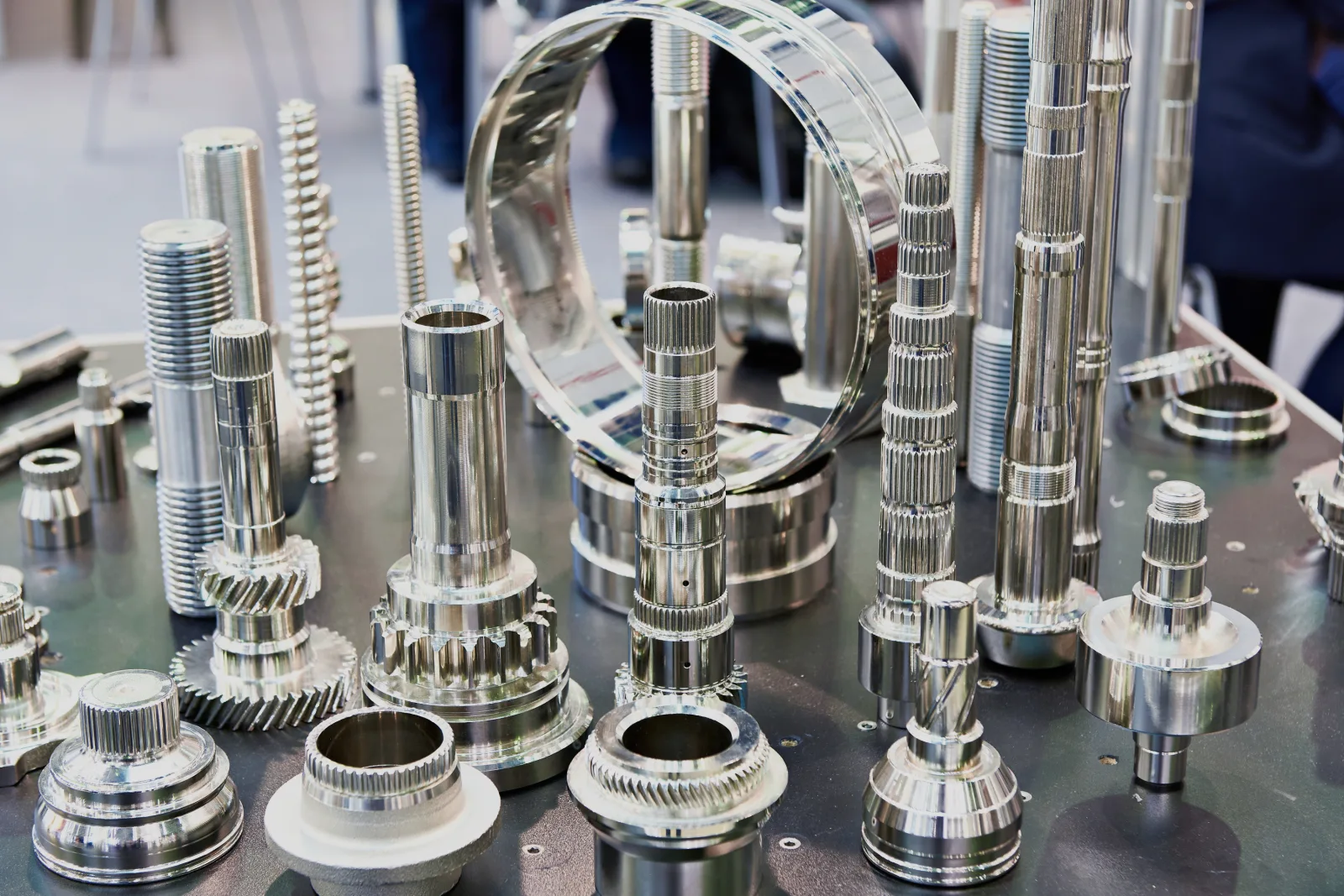
Machined metal parts polished to a mirror finish

Overview

A clean, biocompatible finish on geometry that traditional polishing cannot reach

Dental cobalt-chrome prostheses combine fine detail with complex geometry. Manual polishing leaves uneven surfaces and risks biocompatibility. Electrochemical polishing brings toxic acids and inconsistent results across faces and inner contours. The customer needed a clean, repeatable process for a smooth medical-grade finish on the whole part, including 3D printed shapes.

The challenge

Multiple steps, toxic chemicals, uneven results

Manual polishing leaves micro-variations on dental geometry. Electrochemical polishing uses harsh acids that are not safe for people or the environment and struggles with inner contours and 3D printed surfaces. The team needed a single, clean, repeatable step.

IMG/challenge (replace)

The process

Plasma Electrolytic Polishing in a single bath

The prosthesis is submerged in an environmentally friendly, water-based salt solution and connected to a power source. A thin-layer plasma forms across the whole surface, including 3D printed faces and inner contours. The plasma removes peaks and imperfections evenly, leaving a smooth, polished finish in one step.

IMG/process (replace)
The result

A smooth, biocompatible surface in one step

Even finish on outer and inner surfaces, no manual reworking, no acids, no thermal impact. The geometry stays intact and the surface is ready for medical use. The process is repeatable batch after batch.

IMG/result (replace)

Send us a part, see the finish

Tell us about your part and target surface. We assess it and get back to you.

Get in touch

Supported by